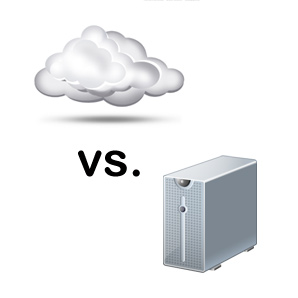
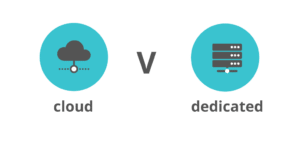
Difference between cloud computing vs self-hosted (on premise) solutions
Moving from the old to the new is usually daunting. It seems like a risk (especially if the old ways do work, albeit not efficiently). With the fast evolution in technology and in the way we do business, however, it may be time we change our stance and evolve with the new so we won’t become redundant. This becomes even more imperative with regards to cloud computing and self-hosting. You may be reluctant to move your business from self-hosting services to cloud computing environments. However, depending on your business needs, this may become a necessity.
What is the difference?
- Cloud computing:
A cloud solution means that a type of corporate software will be placed remotely on his own data centre servers or external host servers by a provider, which is a separate server to handle your company needs.
- Self-hosted (on premise):
The self-hosted or on-premises option refers to the using local resources to place software, which is installed and runs on computers on the premises (at the exact location) of the business.
What to consider
Security
Cloud computing systems are much more secured than self-hosting services. This is because cloud computing uses nix-based systems (Unix or Linux) which are less vulnerable to virus attacks than traditional computer networks.
Cost
A very prime advantage of cloud computing, particularly for little businesses, is the fact that it’s less expensive than ancient computing systems. Self-hosted servers and networks would need constant maintenance, hardware upgrades, and updates. As your business expands, it’s necessary to extend your server capability and acquire and maintain additional user systems. This greatly will increase the value of doing business once you’re using self-hosted servers as you’ll have to purchase additional equipment and do additional upgrades and updates.
With cloud computing systems, however, the prices are dramatically reduced. Eg., the client terminal-type solutions will replace client systems. These are less costly to get than desktop systems thanks to less complicated designs and lower manufacture prices. Better still, maintenance prices are non-existent because the majority of the updates and upgrades are done on the cloud server.
Accessibility
An advantage of cloud computing is that data stored on the cloud can be easily accessed from anywhere there is internet connectivity. A self-hosted system, on the other hand, in addition to requiring internet connectivity, also needs a VPN setup.
Software
The majority of systems nowadays use one form of web-based application or another. Consequently, self-hosted systems need to make use of an internet server in order for data on it to be accessed by a user or a third party. This increases the load the external systems carry and requires a more complex internal network. Cloud computing systems, however, have this infrastructural backbone already in place (even for SaaS and DaaS applications), thus greatly reducing the external support the systems require and their internal network needs.
Eco-friendly
In order to work, self-hosted systems use a great deal of servers and hardware. These generate a great deal of by-products that are harmful to the surroundings. The cloud isn’t physical and doesn’t emit harmful gas into the air. This contributes, in no tiny means, to protective the surroundings.
Which solution is best for you?
Read the two lists below. Which one do you say yes to the most? Whichever it is, that will be the right solution for your business
Cloud computing:
- You don’t have an IT department or your IT department does not have enough time to support this project.
- You don’t want to set up new servers.
- You don’t want to acquire licenses from Microsoft.
- You don’t want to acquire any new hardware.
- You want to get up and running quickly.
- You want to be able to upgrade easily with every release.
- You want to minimize up-front and startup costs.
- You don’t want to worry about backups.
Self-hosted:
- You have a good IT department.
- You already have the hardware (servers) in place.
- You want to save money in the long term.
- You want to be in charge of the software.
- Private, on-site security is important to you.
- You do not want to rely on an Internet connection.